
Winter Stargazing: Beat the Cold, See the Best Skies
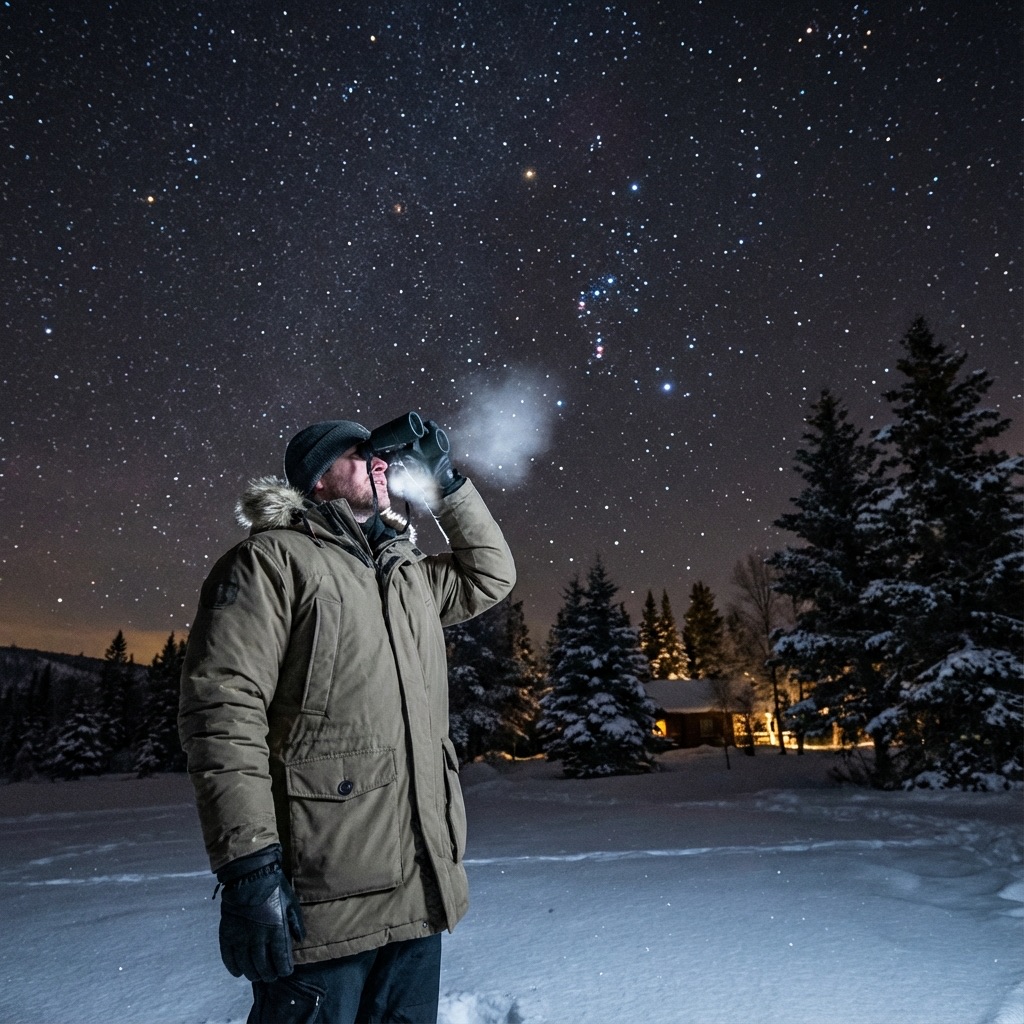
The coldest months offer the clearest skies. Winter air holds less moisture, reducing atmospheric distortion. Orion rises high. The Pleiades glitter overhead. This guide shows you how to stay warm while enjoying winter's celestial treasures.
DH Research Lab
Data & Editorial Board
Expert Tested Gear & Affiliate Disclosure
This guide contains affiliate links. As an Amazon Associate, we earn from qualifying purchases.
01Why Winter Skies Are Superior
It's not your imagination—winter skies really are better for astronomy. Here's why:
Lower Humidity — Cold air holds less water vapor. This means less atmospheric distortion and sharper views through your telescope.
Earlier Darkness — Sunset comes early, giving you more hours of observing before fatigue sets in.
Orion & Friends — Winter's iconic constellation brings some of the best deep sky objects: the Orion Nebula, the Crab Nebula, and the brilliant star clusters of Taurus and Auriga.
The trade-off, of course, is the cold. But with the right preparation, you can observe comfortably for hours.
The Layering System
02Essential Cold-Weather Gear
Staying warm is non-negotiable. Cold fingers and chattering teeth will end your session fast. Here's my tested winter kit:
Heated Gloves
“Battery-powered warmth for your trigger fingers.”
RATIONALE
These let you operate your phone, adjust focusers, and write notes without freezing. The USB-rechargeable batteries last 4+ hours on medium heat.
03Winter Observing Targets
Here's my must-see list for winter nights:
Orion Nebula (M42) — Visible to the naked eye as the fuzzy middle star in Orion's sword. Through a telescope, it's a swirling cloud of glowing gas—one of the best sights in the sky.
The Pleiades (M45) — The Seven Sisters. A beautiful open cluster that looks stunning in binoculars.
The Double Cluster — Two bright star clusters in Perseus, visible as a hazy patch to the naked eye and jaw-dropping through any optics.
Sirius
The brightest star in the night sky. Watch it twinkle wildly due to atmospheric refraction.
Betelgeuse
Orion's red supergiant shoulder star. It will explode as a supernova someday.
Jupiter & Saturn
Visible in early evening during winter 2026. Check planetarium apps for exact positions.
04Protecting Your Equipment
Cold weather is hard on gear. Here's how to keep everything running:
Battery Management:
- Cold drains batteries 2-3x faster than normal
- Keep spares in an inside pocket, close to your body heat
- Rotate batteries every 30-45 minutes
- Consider a USB power bank for extended sessions
Dew Prevention:
- Cold lenses attract condensation when you breathe on them
- Use a dew shield on telescopes and camera lenses
- Lens heaters (wrap-around bands) prevent fog-up
- Wipe eyepieces with a microfiber cloth, never your fingers
The Warm-Up Rule: When bringing cold equipment indoors, keep it in your bag for 30+ minutes. This prevents condensation from forming inside your optics.
Never Touch Cold Metal Barehanded
05Comfort Essentials
The difference between a 30-minute session and a 3-hour marathon is comfort:
The Thermos Ritual: Hot chocolate, tea, or coffee in a quality thermos is a game-changer. The warmth from inside matters as much as layers outside.
Seating:
- A folding camp chair with a high back lets you observe without neck strain
- Add a foam pad underneath for ground insulation
- Consider a heated seat cushion powered by a portable battery
Hand Warmers: Keep disposable or rechargeable hand warmers in your pockets. Pop them inside your gloves when adjusting controls.
Know When to Quit: Hypothermia doesn't always feel cold. If you're shivering uncontrollably or feel "just tired," go inside immediately.
Stanley Classic Legendary Bottle
“Keeps drinks hot for 24 hours — the astronomy thermos standard.”
RATIONALE
Indestructible, keeps coffee hot until 2 AM, and the lid doubles as a cup. Every serious observer has one.
Frequently Asked Questions
Q:Why is winter the best time for stargazing?
Winter air holds less water vapor, reducing atmospheric distortion and making stars appear sharper. The nights are longer, giving more observing time. Plus iconic targets like Orion, the Pleiades, and the Orion Nebula are perfectly positioned.
Q:How do I stay warm while stargazing in winter?
Layer clothing: moisture-wicking base layer, insulating mid-layer (fleece or down), and windproof outer shell. Use heated gloves, hand warmers, and insulated boots. Bring a thermos of hot drinks. Since you're stationary, overdress.
Q:Will my telescope work in cold weather?
Yes, but cold drains batteries 2-3x faster. Keep spares in an inside pocket. Use dew shields to prevent condensation. Allow equipment to cool to outdoor temperature before observing. When bringing gear inside, keep it bagged for 30 minutes to prevent internal condensation.
Q:What are the best winter deep sky objects?
The Orion Nebula (M42) is visible to the naked eye and stunning through any optics. The Pleiades (M45) star cluster. The Double Cluster in Perseus. Betelgeuse (Orion's red supergiant shoulder star) and Sirius (the brightest star).
Q:How cold is too cold for stargazing?
With proper gear, you can observe in any temperature, but most casual observers find -10°C/14°F challenging without specialized equipment. If you're shivering uncontrollably or feel unusually tired, go inside immediately—these are hypothermia warning signs.
Don't Forget Your Gear
Get our Dark Sky Preparation Checklist and never arrive at a remote site missing a critical piece of equipment again.
Join 2,400+ astronomers • No spam, strictly dark sky intel
Level Up Your Astronomy Skills
Get our premium PDF guides with hundreds of pages of expert advice, gear recommendations, and step-by-step tutorials.
Browse All GuidesFind Your Darkest Sky
Use our real-time satellite maps to find locations with zero light pollution.
Launch Interactive MapPlan Your Deployment
Ready to experience these dark skies yourself? Use our interactive map to find the best dark-sky certified hotels, desert cabins, and observatories near this location.
Booking through this map supports Darkest Hour's light pollution research.
Your Learning Roadmap
You've mastered the beginner basics. The next logical step in your technical progression is mastering intermediate acquisition.
MANDATORY FIELD EQUIPMENT
Celestron NexStar 8SE
The gold standard for deep-sky observation. 203mm aperture for maximum light gathering.
ZWO Seestar S50
Fully robotic imaging system. Perfect for urban environments and rapid deployment.
Peak Design Travel Tripod
Zero-latency stability for long exposure astrophotography. Carbon fiber construction.
Continue Your Research
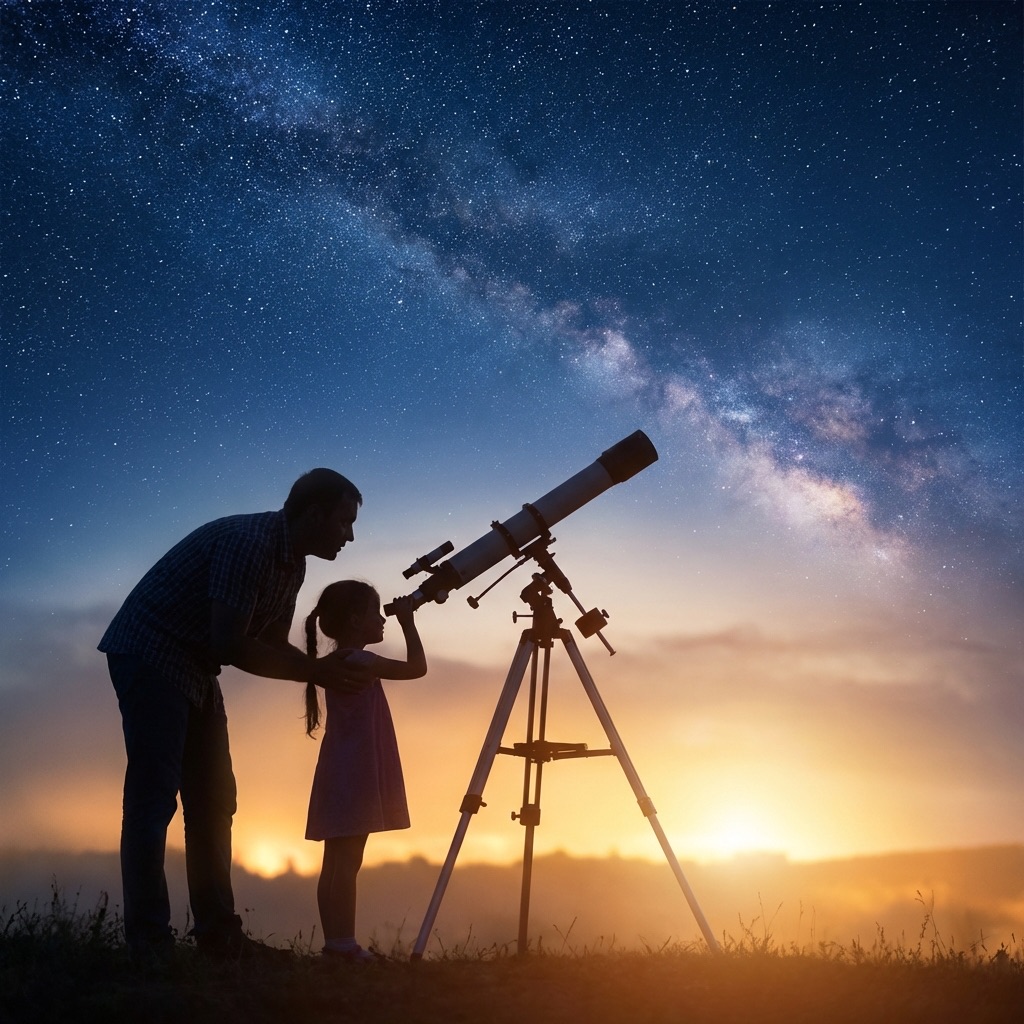
Stargazing with Kids: A Family Guide to the Night Sky
Create magical family memories with our guide to stargazing with kids. Includes age-appropriate activities, gear recommendations, and safety tips.
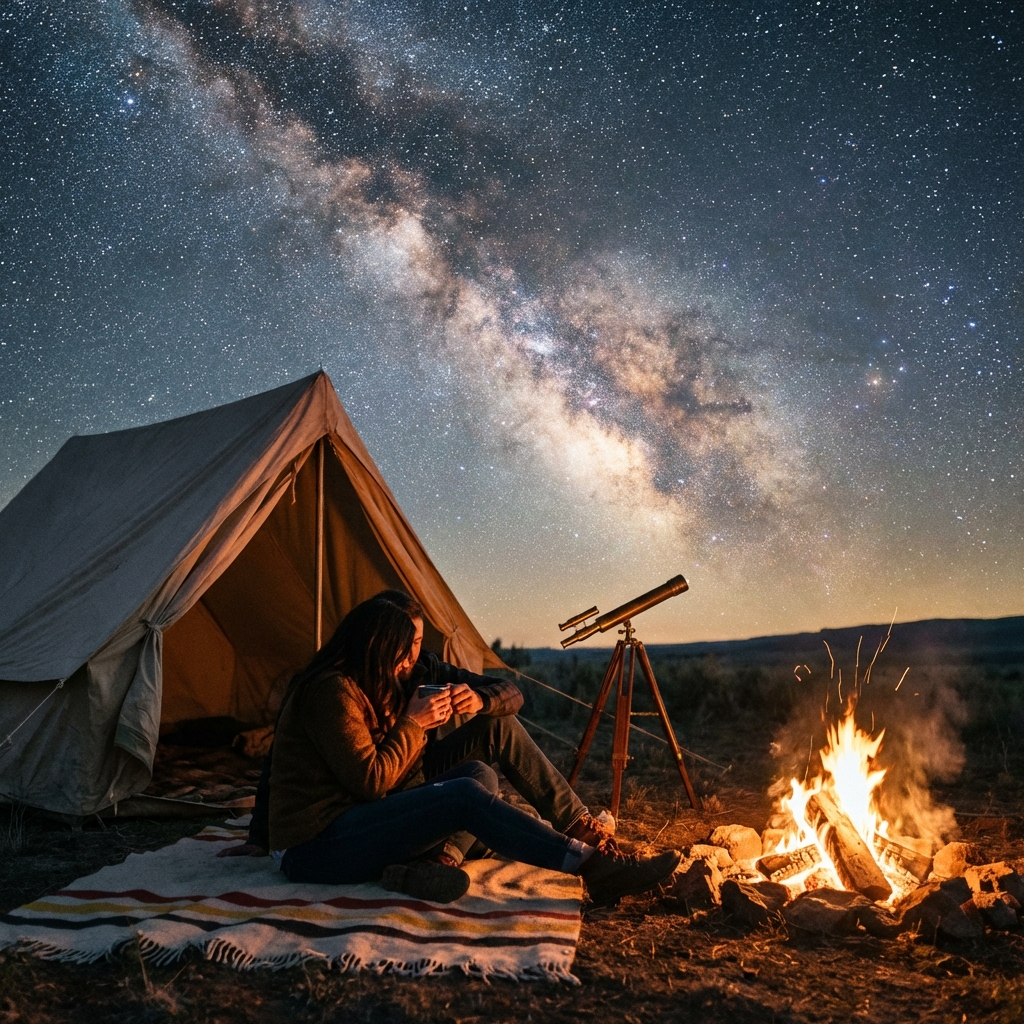
Your First Night Stargazing: Complete 2026 Guide
Everything you need for your first night under the stars. Learn to find dark sky locations, navigate constellations, and master stargazing with zero gear.
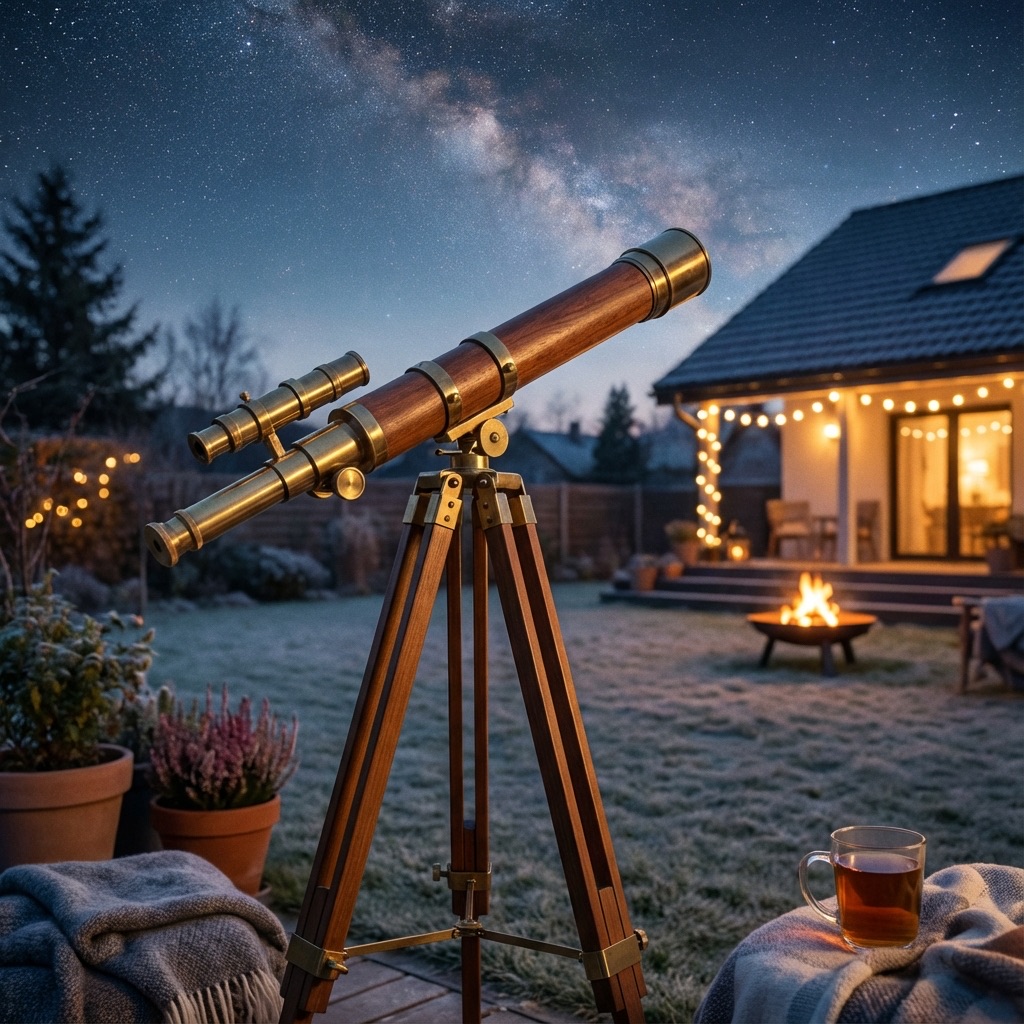
Best Beginner Astronomy Gear: Your First Telescope Setup
A complete guide to your first telescope setup: expert recommendations for Dobsonians, essential eyepieces, and navigation aids for beginners.
End of Dossier • Research Complete