Your First Night Under the Stars: Complete Beginner's Guide
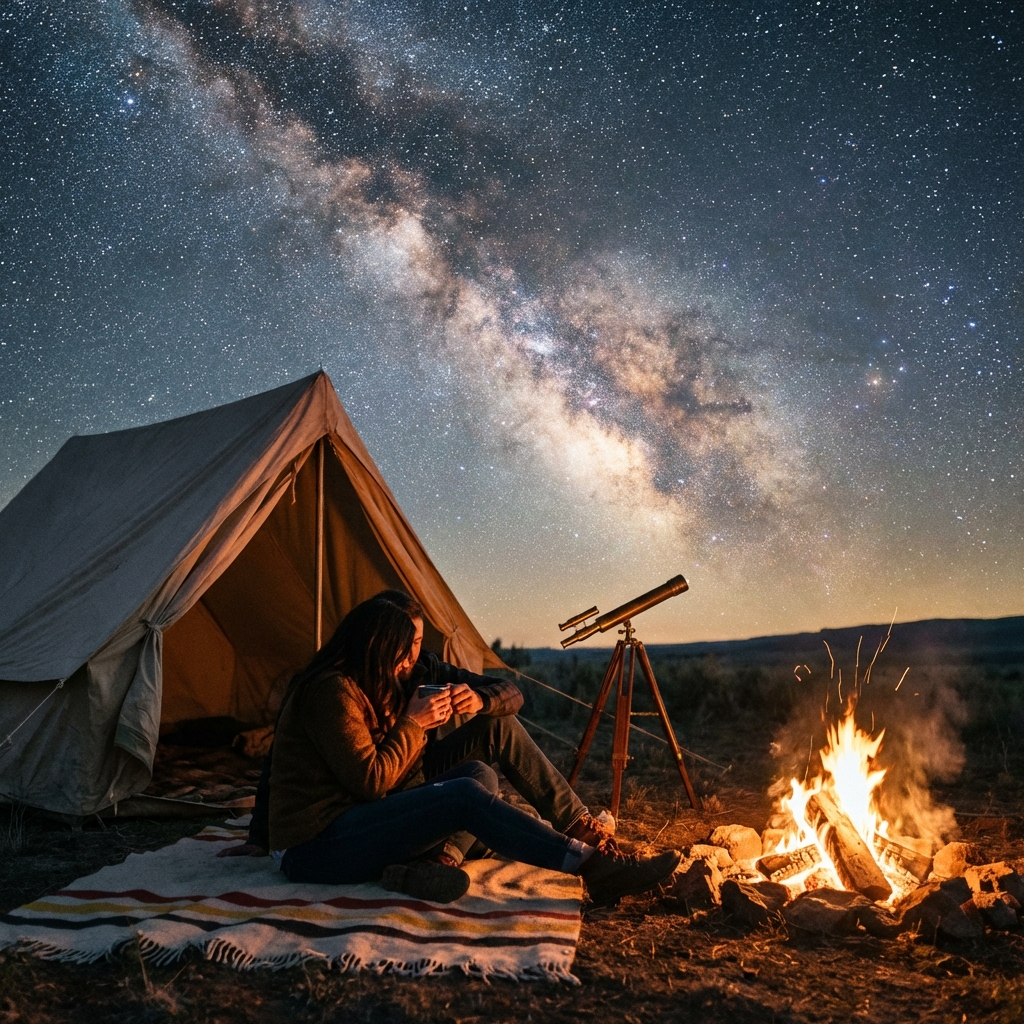
I'll let you in on a secret: you don't need a telescope to start stargazing. In fact, some of the most breathtaking celestial experiences—meteor showers, the Milky Way arching overhead, bright planets—are best enjoyed with just your eyes. I've spent countless nights under the stars, and this guide distills everything I wish someone had told me before my first real dark sky experience.
DH Research Lab
Data & Editorial Board
Expert Tested Gear & Affiliate Disclosure
This guide contains affiliate links. As an Amazon Associate, we earn from qualifying purchases.
01Find Your Dark Sky Location
Here's the truth that took me years to learn: the single most important factor for stargazing isn't equipment—it's location. Light pollution from cities can hide 80-90% of visible stars. I've stood in my suburban backyard and counted maybe 50 stars. Drive 90 minutes to a dark site? Thousands. The Milky Way stretching horizon to horizon. It's genuinely life-changing.
Use our Dark Sky Map to find locations near you rated Bortle 4 or darker.
What I look for:
- State or national parks — Usually have dark sky programs and safe parking
- Rural farmland — Often darker than you'd expect. Ask permission if on private land.
- Beaches away from towns — The ocean gives you an unobstructed horizon
- Mountain overlooks — Bonus: you're above some of the atmospheric haze
The White-Light Trap
02Essential Gear for Beginners
Over the years, I've refined my stargazing kit to essentials that actually matter. Here's what I never leave home without:
Celestron SkyMaster 10x50 Binoculars
“Before you buy a telescope, get these. Seriously. They'll show you craters on the Moon, Jupiter's moons, and the Andromeda Galaxy.”
RATIONALE
Superior field of view for beginners and outstanding light gathering for the price.
03Apps That Actually Help
I've tried dozens of stargazing apps. These are the only ones I still use:
Stellarium (iOS/Android, Free) — Point your phone at the sky and it labels everything you're looking at. Stars, planets, constellations, deep sky objects. Essential.
Clear Outside — Specifically designed for astronomers. Shows cloud cover, transparency, seeing conditions, and more in hourly forecasts.
NASA App — Free, comprehensive. Track the ISS, get Space Station flyover alerts, and read up on current missions.
And of course, use Darkest Hour to check light pollution levels and real-time observing conditions before you drive anywhere. I built this because I was tired of driving an hour only to find clouds or unexpected haze.
Averted Vision
Look slightly to the side of dim objects to use the more light-sensitive parts of your retina.
Atmospheric Seeing
If stars twinkle wildly, the air is turbulent. Wait for steady nights for planetary detail.
Moon Phase
New Moon weeks are best for deep-sky objects like galaxies and nebulae.
Frequently Asked Questions
Q:What do I need to start stargazing?
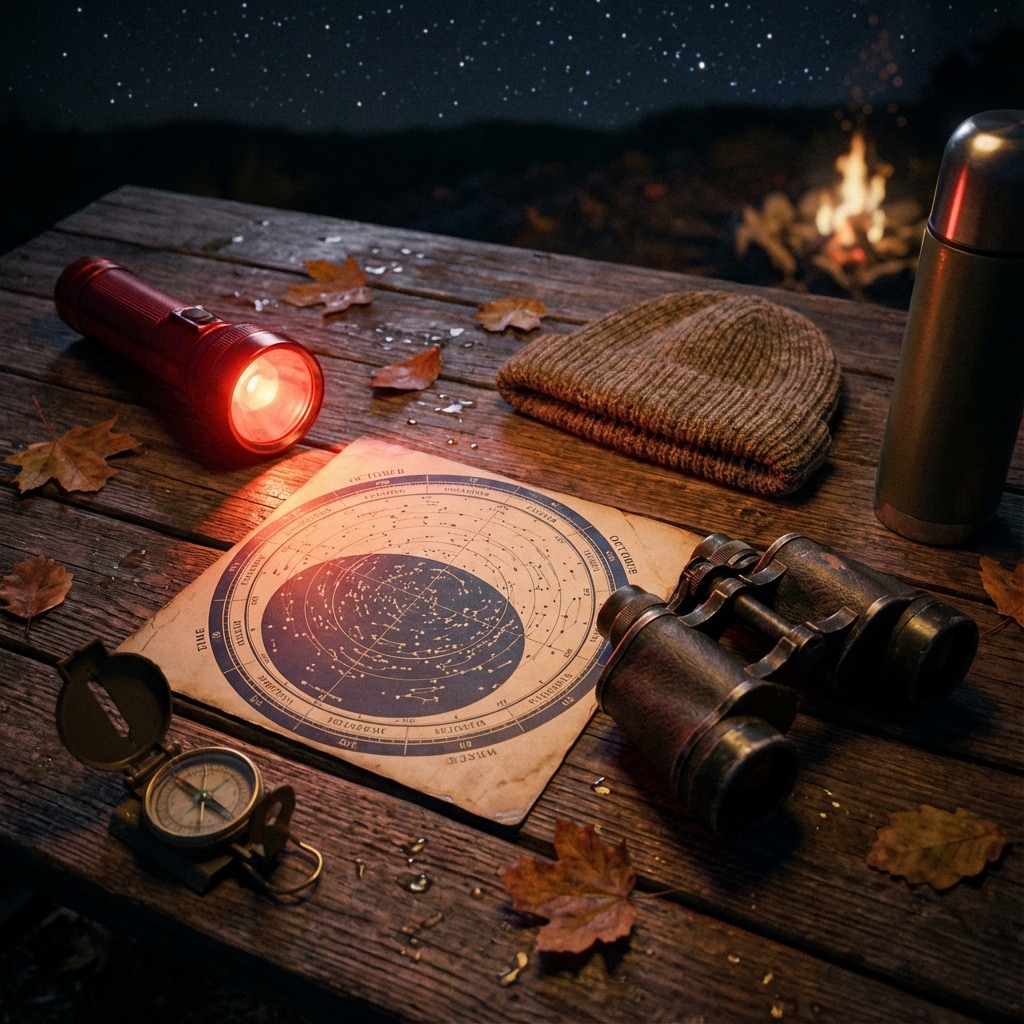
You don't need a telescope to start stargazing. The essentials are: a dark location away from city lights, a red LED flashlight (to preserve night vision), warm clothing, a blanket or reclining chair, and a free stargazing app like Stellarium on your phone.
Q:How long does it take for your eyes to adjust to the dark?
It takes 20-30 minutes for your eyes to fully adapt to darkness (dark adaptation). Avoid looking at bright white lights during this time, as it will reset your night vision. Use a red LED flashlight instead.
Q:When is the best time to go stargazing?
The best time is during astronomical twilight or later (when the sun is more than 18 degrees below the horizon), on nights with a new moon or when the moon has set. Winter months often offer the clearest skies in many regions.
Q:How far do I need to travel to see stars clearly?
Typically 60-90 minutes from a major city will take you from Bortle 8-9 (city sky) to Bortle 4-5 (visible Milky Way). State parks, national forests, and rural farmland are good destinations.
Q:Can I see the Milky Way with my naked eye?
Yes, but only from a dark location (Bortle 4 or darker) on a clear, moonless night. From city centers, light pollution makes the Milky Way invisible. It appears as a hazy band of light stretching across the sky.
Don't Forget Your Gear
Get our Dark Sky Preparation Checklist and never arrive at a remote site missing a critical piece of equipment again.
Join 2,400+ astronomers • No spam, strictly dark sky intel
Level Up Your Astronomy Skills
Get our premium PDF guides with hundreds of pages of expert advice, gear recommendations, and step-by-step tutorials.
Browse All GuidesFind Your Darkest Sky
Use our real-time satellite maps to find locations with zero light pollution.
Launch Interactive MapYour Learning Roadmap
You've mastered the beginner basics. The next logical step in your technical progression is mastering intermediate acquisition.
MANDATORY FIELD EQUIPMENT
Celestron NexStar 8SE
The gold standard for deep-sky observation. 203mm aperture for maximum light gathering.
ZWO Seestar S50
Fully robotic imaging system. Perfect for urban environments and rapid deployment.
Peak Design Travel Tripod
Zero-latency stability for long exposure astrophotography. Carbon fiber construction.
Continue Your Research
Best Stargazing Gear for Beginners: Start Under $100
Everything you need for your first night under the stars—from comfort and clothing to celestial navigation apps and essential accessories.
Best Beginner Astronomy Gear: Your First Telescope Setup
A complete guide to your first telescope setup: expert recommendations for Dobsonians, essential eyepieces, and navigation aids for beginners.
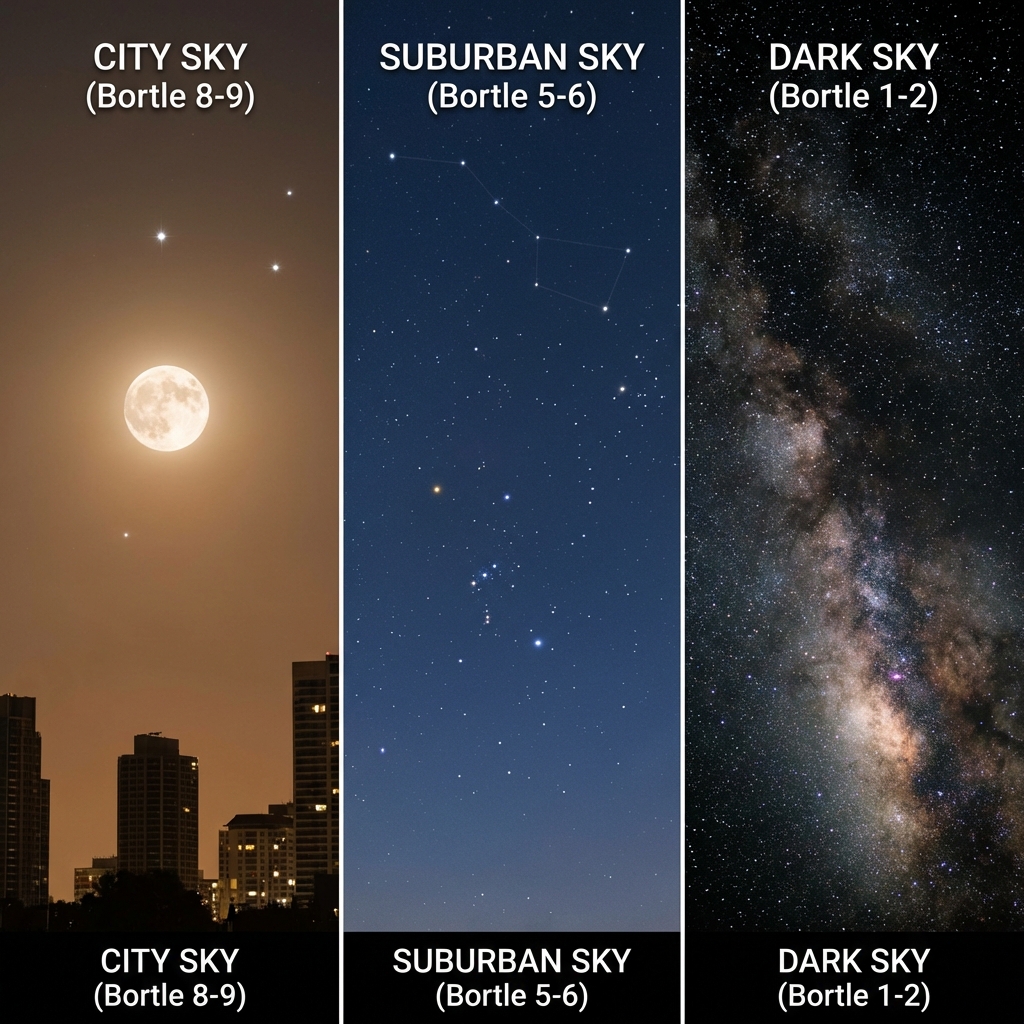
How to Read a Bortle Scale Map: The Dark Sky Cheat Code
Decode light pollution maps and understand Bortle classes 1 to 9. Use our advanced dark sky tools to find your perfect stargazing location tonight.
End of Dossier • Research Complete