New Zealand Dark Sky Sanctuaries: The Ultimate Stargazing Road Trip
The New Zealand archipelago is home to some of the world's most pristine dark-sky sanctuaries. This guide maps the primary 'Gold Tier' sites—from the Aoraki Mackenzie mountains to the remote shores of Great Barrier Island—for experiencing the southern sky in its purest form.
DH Research Lab
Data & Editorial Board
Expert Tested Gear & Affiliate Disclosure
This guide contains affiliate links. As an Amazon Associate, we earn from qualifying purchases.
01Why New Zealand is Different
Most of the world is losing its night sky. New Zealand is actively protecting it.
The country has aggressive "dark sky" laws that limit blue light emissions and require shielded fixtures. This isn't just about saving energy—it's about preserving a cultural heritage. The Māori people used the stars for navigation (ocean voyaging) and agriculture (planting by the Matariki cluster) for centuries.
What You'll See:
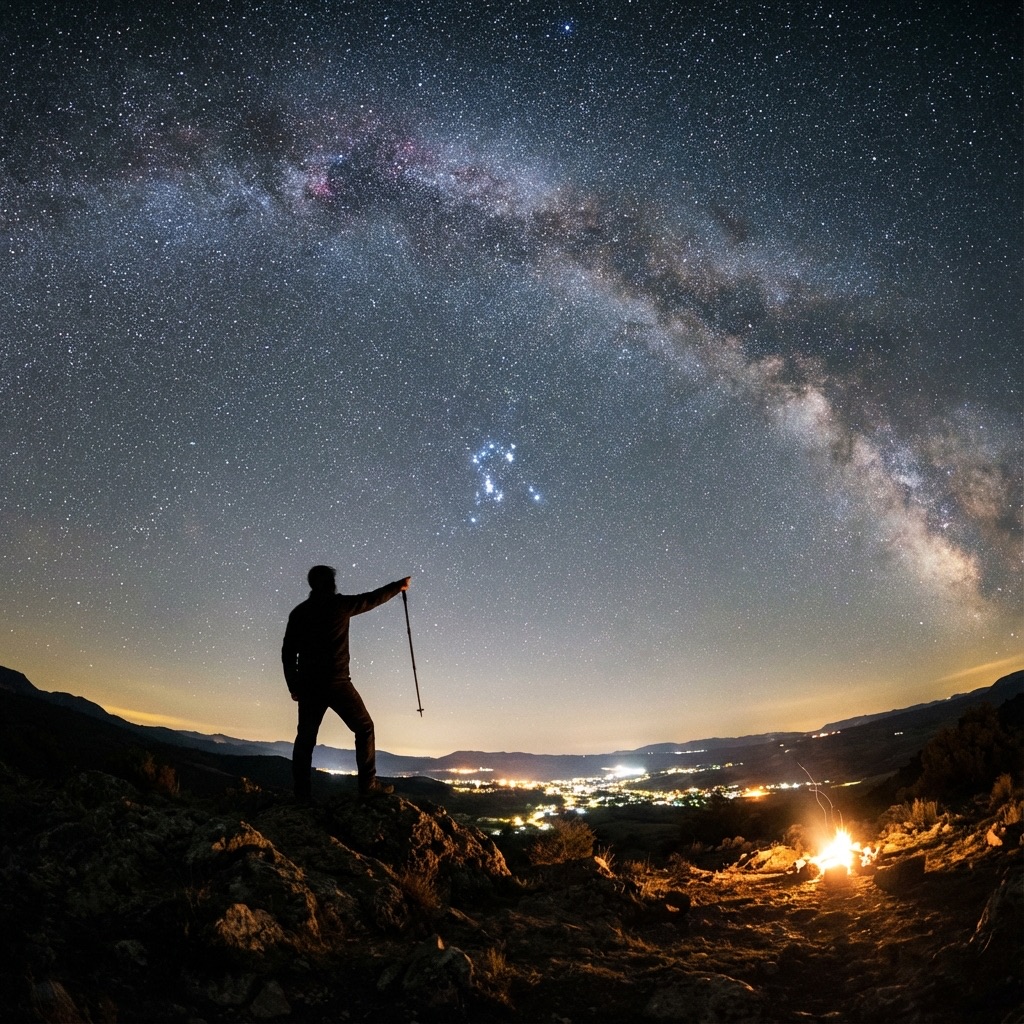
- The Southern Cross (Crux): The iconic constellation of the south.
- The Magellanic Clouds: Two dwarf galaxies orbiting the Milky Way, visible to the naked eye like detached pieces of the Milky Way.
- The Galactic Core: In winter (June-August), the brightest part of the Milky Way passes directly overhead.
Best Time to Visit
021. Aoraki Mackenzie International Dark Sky Reserve
This is the big one. Covering 4,300 square kilometers in the South Island, it was the first gold-rated reserve in the Southern Hemisphere.
Where to Stay:
- Lake Tekapo: The hub of the reserve. Visit the Mount John Observatory for night tours.
- Mount Cook Village: Nestled right under New Zealand's highest mountain. The darkness here is oppressive (in a good way).
- Twizel: A quieter, more budget-friendly alternative to Tekapo.
Must Do: Take a tour at Earth & Sky Mt John. You'll look through 16-inch telescopes at the Jewel Box cluster and the Tarantula Nebula.
Bortle Scale
Bortle 1 (Excellent dark sky site)
Key Targets
Alpha Centauri, Omega Centauri, Carina Nebula
Photo Tip
The Church of the Good Shepherd is the classic foreground, but get there at 2 AM to avoid crowds.
032. Great Barrier Island (Aotea) Sanctuary
Off the coast of Auckland lies Great Barrier Island, the first island in the world to be designated an International Dark Sky Sanctuary.
Why It's Special: It's completely off-grid. There is no reticulated electricity on the island, meaning no streetlights and very little light trespass. The "Sanctuary" status is stricter than "Reserve"—it implies a fragile site that requires critical protection.
Getting There: Take a small plane from Auckland or a ferry. Rent a 4WD vehicle.
The Experience: It's wild and rugged. You can sit on a beach with zero light domes on the horizon. The zodiacal light is often visible here, a faint cone of light extending from the horizon before sunrise or after sunset.
043. Rakiura / Stewart Island
The southernmost inhabited island of New Zealand. Rakiura translates to "The Land of Glowing Skies"—a reference to the Aurora Australis (Southern Lights), which are frequently visible here.
Aurora Hunting: Because it's so far south (47°S), active geomagentic storms often push the aurora high enough to be seen. Unlike the green curtains of the north, the Southern Lights often appear as tall pink and red pillars.
The Kiwi Connection: This is also the best place to see wild Kiwi birds. You can spot them on the beach at night while you're setting up your tripod.
05Essential Gear for NZ Stargazing
You don't need to haul a massive telescope on the plane.
1. Binoculars: A pair of 10x50s is perfect. The southern sky is rich in open clusters that look better in binos than telescopes.
2. A Fast Wide-Angle Lens: If you're bringing a camera, bring a lens with an f/2.8 aperture or faster (lower number). A 14mm or 24mm f/1.4 prime lens is ideal for capturing the landscape with the stars.
3. Warm Layers: Even in summer, alpine New Zealand gets cold at night. In winter, it's freezing. Merino wool base layers are essential.
Rokinon 14mm f/2.8 Lens
“The budget king of astrophotography lenses.”
RATIONALE
Cheap, sharp, and manual focus—perfect for stars. Available for all major camera mounts.
Don't Forget Your Gear
Get our Dark Sky Preparation Checklist and never arrive at a remote site missing a critical piece of equipment again.
Join 2,400+ astronomers • No spam, strictly dark sky intel
Level Up Your Astronomy Skills
Get our premium PDF guides with hundreds of pages of expert advice, gear recommendations, and step-by-step tutorials.
Browse All GuidesFind Your Darkest Sky
Use our real-time satellite maps to find locations with zero light pollution.
Launch Interactive MapPlan Your Deployment
Ready to experience these dark skies yourself? Use our interactive map to find the best dark-sky certified hotels, desert cabins, and observatories near this location.
Booking through this map supports Darkest Hour's light pollution research.
Your Learning Roadmap
You've mastered the travel basics. The next logical step in your technical progression is mastering astrophotography workflows.
MANDATORY FIELD EQUIPMENT
Celestron NexStar 8SE
The gold standard for deep-sky observation. 203mm aperture for maximum light gathering.
ZWO Seestar S50
Fully robotic imaging system. Perfect for urban environments and rapid deployment.
Peak Design Travel Tripod
Zero-latency stability for long exposure astrophotography. Carbon fiber construction.
Continue Your Research
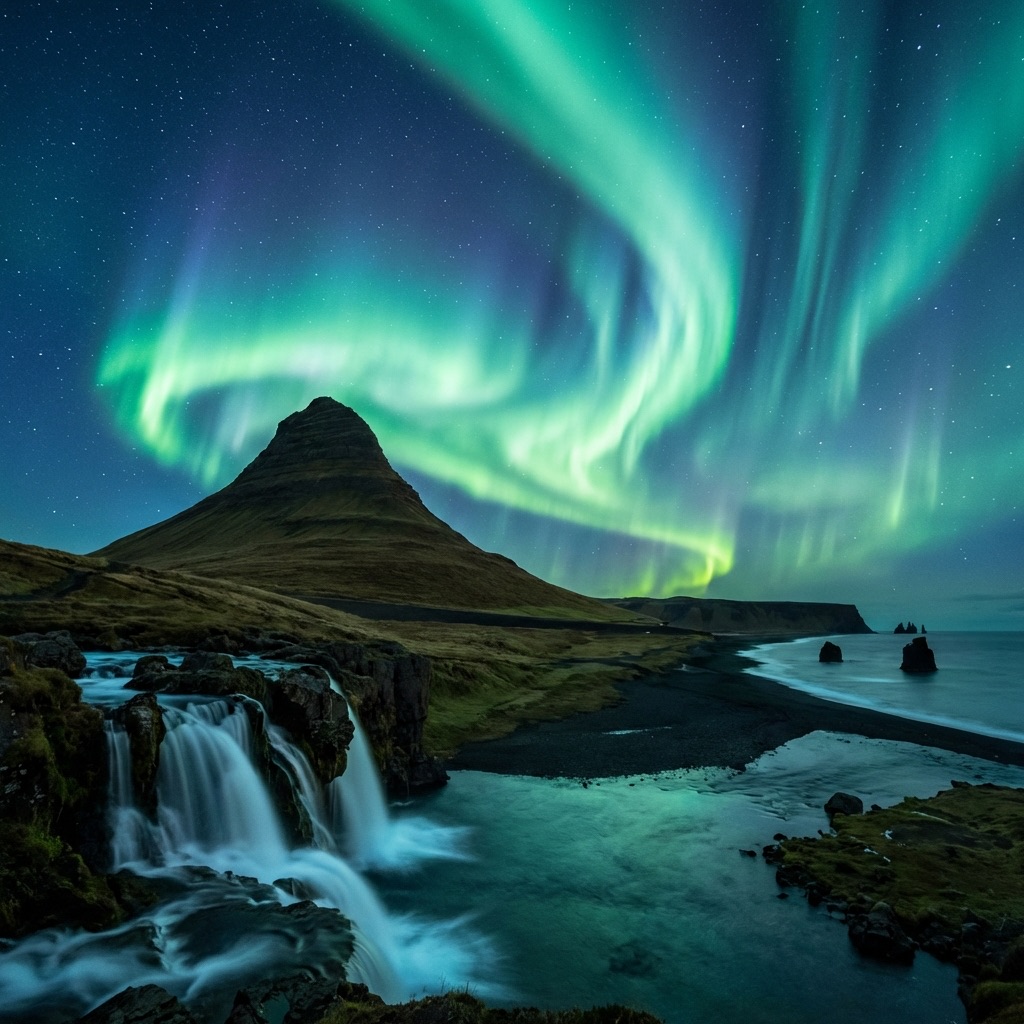
Northern Lights in Iceland: 6 Stunning Spots
Iceland is aurora heaven! 6 dark sky spots—Jökulsárlón, Kirkjufell, and more. Your guide to 2026 aurora tracking made easy.
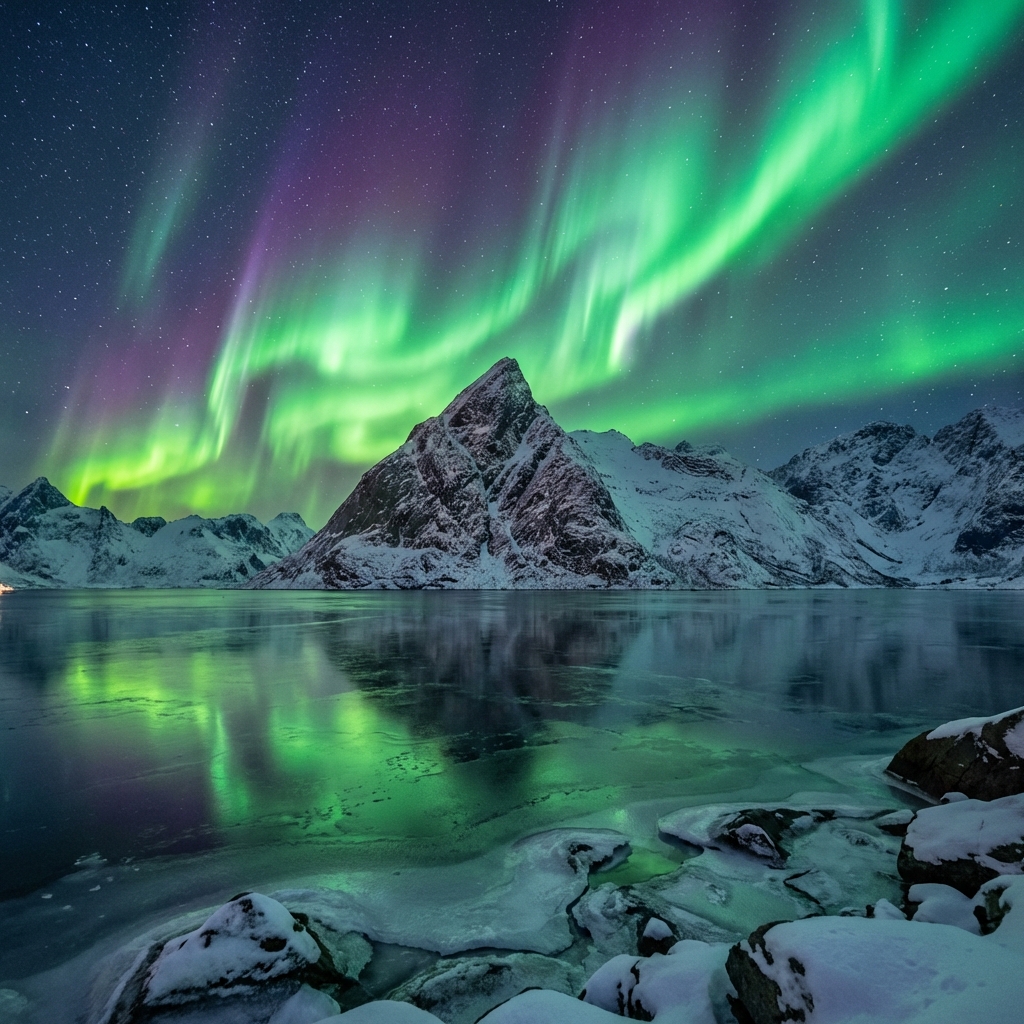
Best Places to See the Northern Lights: 2026 Guide
Discover the top global destinations for viewing the Aurora Borealis in 2026. From Norway to Alaska, find the best dark sky spots and essential gear.
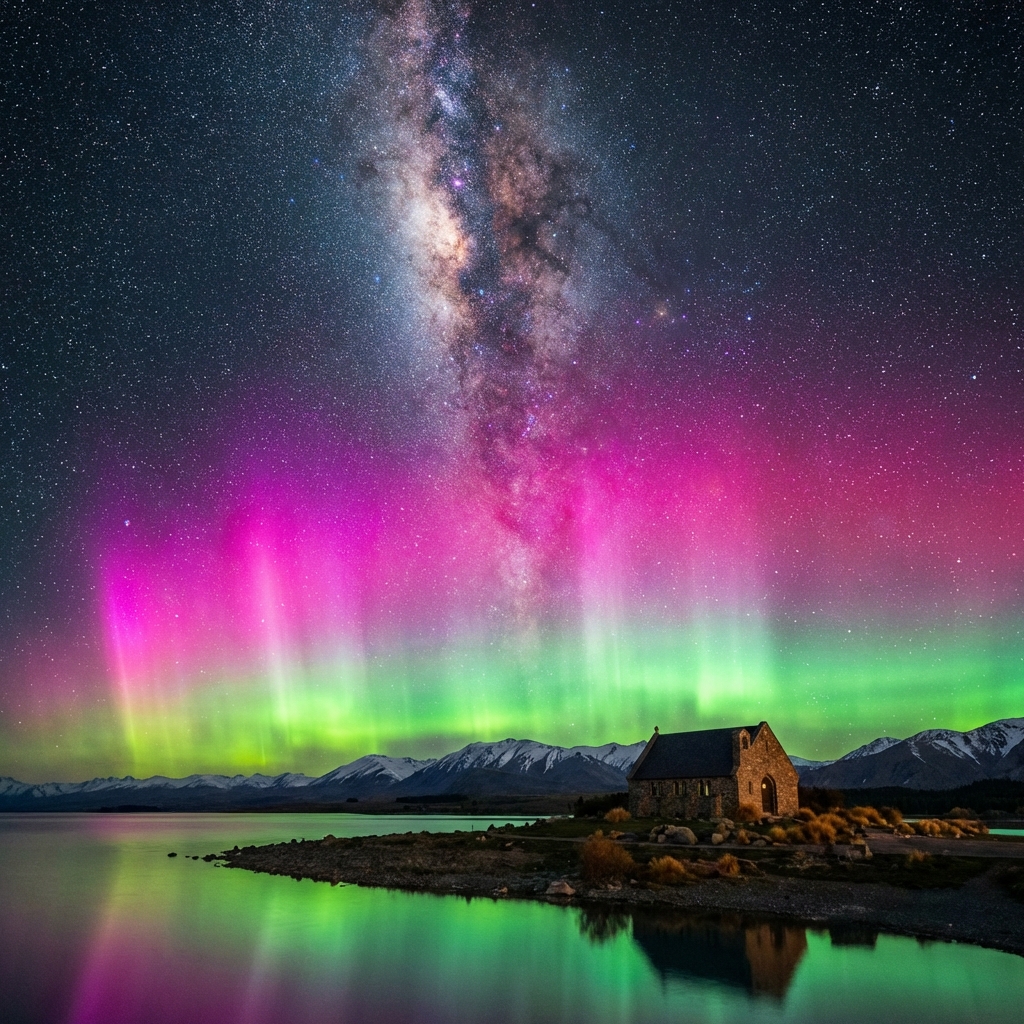
Best Places to See the Southern Lights (Aurora Australis)
Explore the best Southern Hemisphere locations for aurora hunting. Learn where to see the Southern Lights in New Zealand, Tasmania, and more.
End of Dossier • Research Complete