
Best Places to See Northern Lights in Iceland: 6 Stunning Locations (2026)
The Icelandic sector is a primary geostationary corridor for Arctic aurora observation, characterized by a unique combination of high-latitude coordinate alignment and volcanic thermal stability. This dossier identifies the primary mission sites for capturing the Aurora Borealis from the Icelandic wilderness.
DH Research Lab
Data & Editorial Board
Expert Tested Gear & Affiliate Disclosure
This guide contains affiliate links. As an Amazon Associate, we earn from qualifying purchases.
01Icelandic Aurora Essentials
Hunting the aurora in Iceland requires a mix of patience and mobility:
Cloud Chase: Iceland's weather is notoriously fickle. The trick is to use the Icelandic Met Office (en.vedur.is) cloud forecast maps and drive to where the gaps are.
The Ring Road Advantage: Almost all the best aurora spots are located just off the Ring Road (Route 1), making it easy to change locations if clouds move in.
Lunar Lighting: Iceland's landscape is so dark that a small amount of moonlight can actually help by illuminating the foreground mountains and glaciers for your photos.
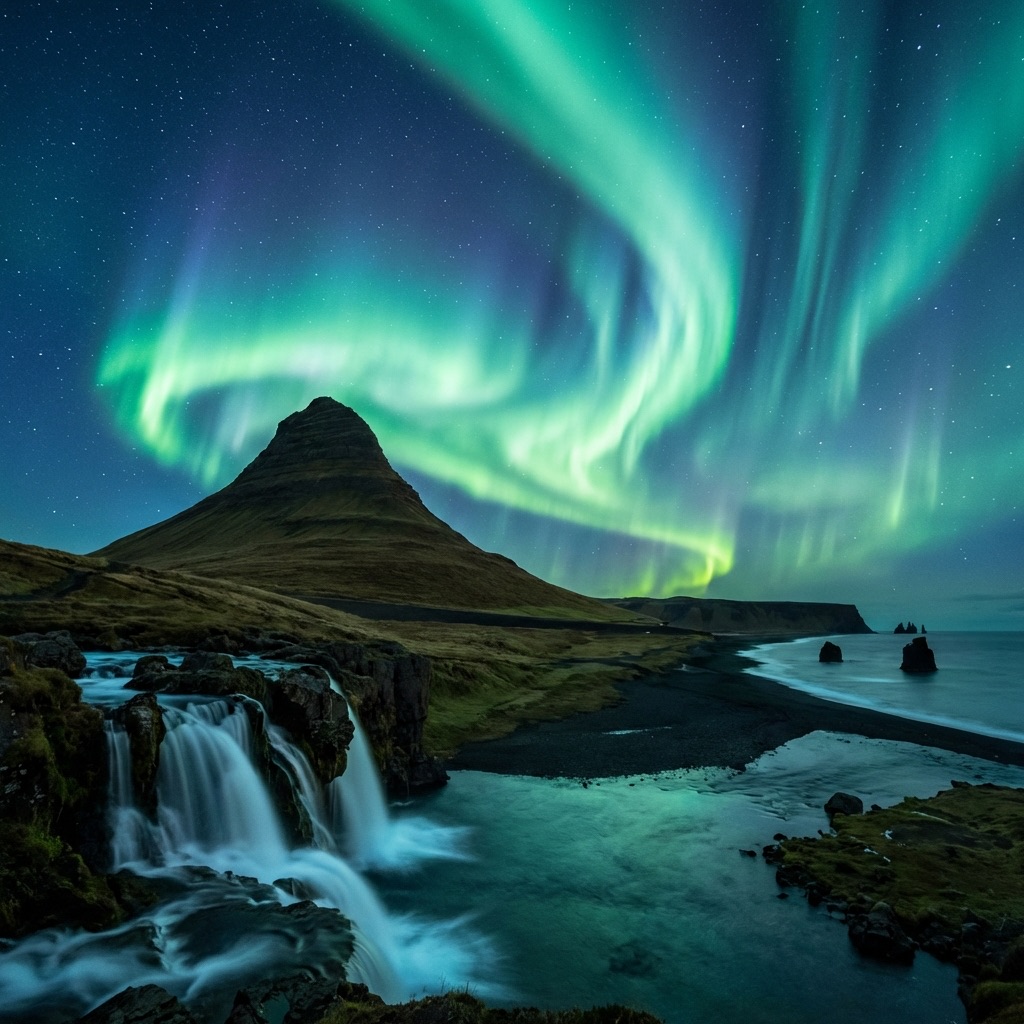
Image Tip: The green aurora ribbons arcing over the pyramid-shaped Kirkjufell mountain, reflected in the calm tide pools below.
Safety
021. Jökulsárlón Glacier Lagoon
Distance from Reykjavik: 5 hours | Bortle Class: 2 | Best For: Ultimate reflections, icebergs
The glacier lagoon is perhaps the most magical place in the world to watch the aurora. It features giant blue icebergs floating in a lagoon, all mirroring the sky above.
The Experience:
- Hearing the ice 'creak' and 'crack' in the silence of the night
- The aurora reflecting in the still water of the lagoon
- Diamond Beach nearby (icebergs on black sand) for ground-level shots
Note: It's a long drive. Most people stay in the nearby towns of Höfn or Vik.
Rokinon 14mm f/2.8 Wide Angle Lens
“Legendary budget lens for astrophotography.”
RATIONALE
You need a wide field of view to capture both the massive Icelandic landscape and the aurora arching across the sky. This lens is sharp and fast.
032. Kirkjufell & Grundarfjörður
Distance from Reykjavik: 2.5 hours | Bortle Class: 3-4 | Best For: Iconic compositions, Snæfellsnes Peninsula
Kirkjufell is the most photographed mountain in Iceland. Its unique shape and the nearby waterfalls (Kirkjufellsfoss) make it the perfect 'anchor' for an aurora shot.
Top Spots:
- Kirkjufellsfoss — The classic composition with the waterfall in the foreground
- Grundarfjörður town edges — Dark enough for great views
- Búðir Black Church — A nearby iconic foreground just 30 mins away
Strategy: Snæfellsnes is often called 'Iceland in Miniature'—it's a great place to spend 2-3 nights dedicated to aurora hunting.
Composition
The perfect alignment of mountain, waterfall, and stars.
Accessibility
Easy paved access right to the main viewing areas.
Exposed
The peninsula can be extremely windy. Use a low, stable tripod.
043. Reynisfjara & Vik
Distance from Reykjavik: 2.5 hours | Bortle Class: 3 | Best For: Black sand beaches, sea stacks
The black sand beaches of Vik offer dramatic basalt columns and jagged sea stacks (Reynisdrangar) that look otherworldly under the green glow of the aurora.
Top Spots:
- Reynisfjara Beach — Basalt columns and crashing waves
- Vik i Myrdal Church — The hilltop church overlooking the town
- Dyrhólaey — A massive stone arch looking south over the Atlantic
Danger: Never turn your back on the ocean at Reynisfjara. 'Sneaker waves' can be fatal even at night. Stay well back from the waterline.
Black Diamond Storm 500-R Headlamp
“Powerful rechargeable headlamp with red LED.”
RATIONALE
Essential for navigating treacherous black sand and basalt rocks safely without losing your night vision.
054. Thingvellir National Park
Distance from Reykjavik: 45 minutes | Bortle Class: 4 | Best For: Closest high-quality sky to the city
Thingvellir is part of the Golden Circle and is the closest place to Reykjavik with genuinely dark skies. It's where the North American and Eurasian tectonic plates are pulling apart.
Why Visit:
- Dramatic rift valleys provide unique silhouettes
- Large lake (Þingvallavatn) for reflections
- Paved parking and maintained paths
Tip: If the aurora index is high (Kp 4+), you can literally see the lights from the parking lots here.
Geology
Stargaze between the tectonic plates of two continents.
Proximity
The quickest escape for a short city break.
Heritage
UNESCO World Heritage site with deep cultural significance.
065. Lake Mývatn & North Iceland
Distance from Reykjavik: 6 hours (or flight to Akureyri) | Bortle Class: 2 | Best For: Volcanic landscapes, clear northern air
North Iceland often has clearer weather than the south. The Lake Mývatn area is a playground of volcanic craters, steaming vents, and lava fields.
Where to Go:
- Goðafoss — The 'Waterfall of the Gods' under the aurora
- Hverfjall Crater — A massive black tephra cone for dramatic silhouettes
- Dimmuborgir — Twisted lava formations (the 'Dark Castles')
Bonus: The Mývatn Nature Baths are a quieter, more local version of the Blue Lagoon—perfect for aurora watching.
Northern advantage
076. Westfjords (Dynjandi)
Distance: 5-6 hours | Bortle Class: 1-2 | Best For: Ultimate isolation, huge waterfalls
The Westfjords are the most remote part of Iceland. They see 10% of the tourists and have 0% of the light pollution.
The Highlight:
- Dynjandi Waterfall — A massive, tiered waterfall that looks like a wedding veil. Seeing the aurora over this is a life-highlight.
- Rauðasandur — Red sand beach with zero light for miles.
Constraint: Many roads in the Westfjords close in winter. This is a destination for late September/October or April.
Anker 737 Power Bank
“High-capacity power for cold-weather photography.”
RATIONALE
The cold drains batteries in minutes. This bank can keep your camera and phone charged through an entire Arctic night.
Don't Forget Your Gear
Get our Dark Sky Preparation Checklist and never arrive at a remote site missing a critical piece of equipment again.
Join 2,400+ astronomers • No spam, strictly dark sky intel
Level Up Your Astronomy Skills
Get our premium PDF guides with hundreds of pages of expert advice, gear recommendations, and step-by-step tutorials.
Browse All GuidesFind Your Darkest Sky
Use our real-time satellite maps to find locations with zero light pollution.
Launch Interactive MapPlan Your Deployment
Ready to experience these dark skies yourself? Use our interactive map to find the best dark-sky certified hotels, desert cabins, and observatories near this location.
Booking through this map supports Darkest Hour's light pollution research.
Your Learning Roadmap
You've mastered the travel basics. The next logical step in your technical progression is mastering astrophotography workflows.
MANDATORY FIELD EQUIPMENT
Celestron NexStar 8SE
The gold standard for deep-sky observation. 203mm aperture for maximum light gathering.
ZWO Seestar S50
Fully robotic imaging system. Perfect for urban environments and rapid deployment.
Peak Design Travel Tripod
Zero-latency stability for long exposure astrophotography. Carbon fiber construction.
Continue Your Research
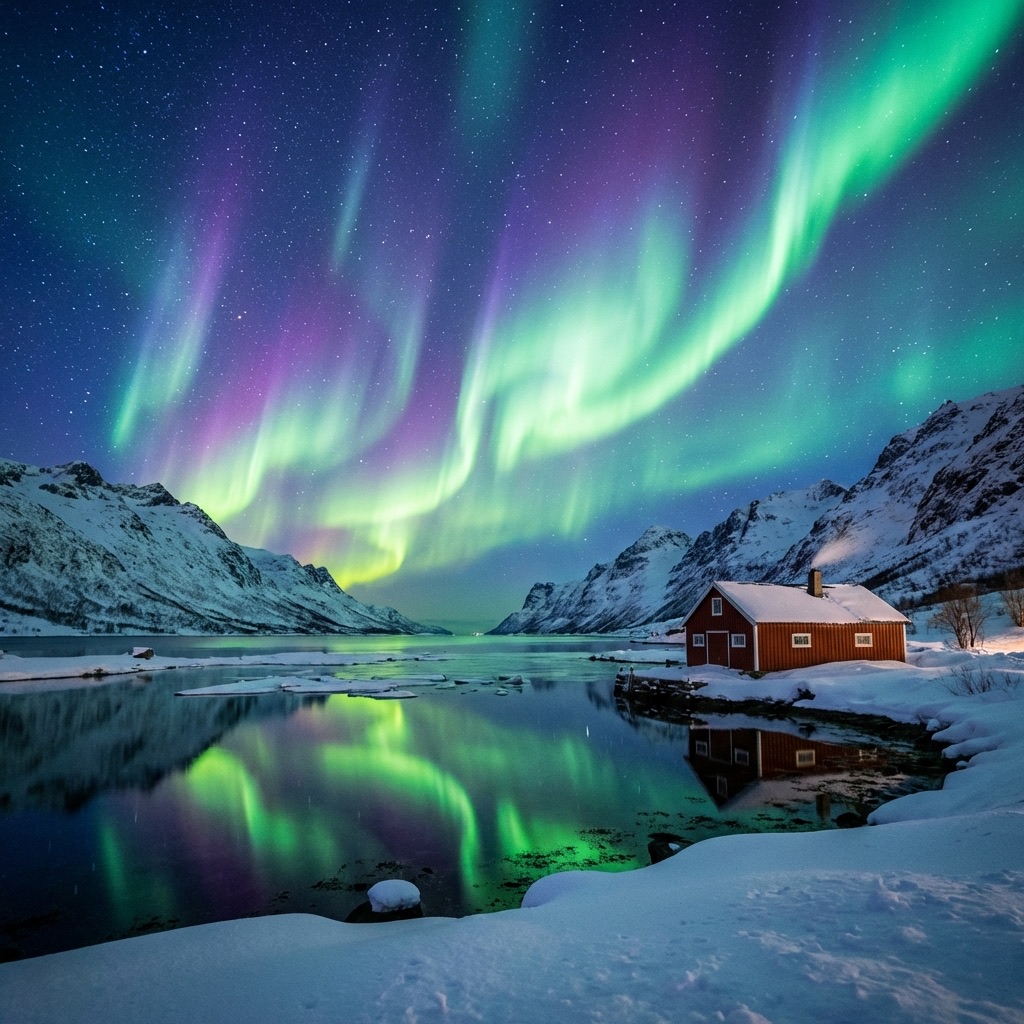
Northern Lights in Norway: 6 Arctic Escapes
The ultimate Norway aurora guide! 6 Arctic destinations—Tromsø, Lofoten, and Svalbard. Your expert guide to the 2026 northern lights.
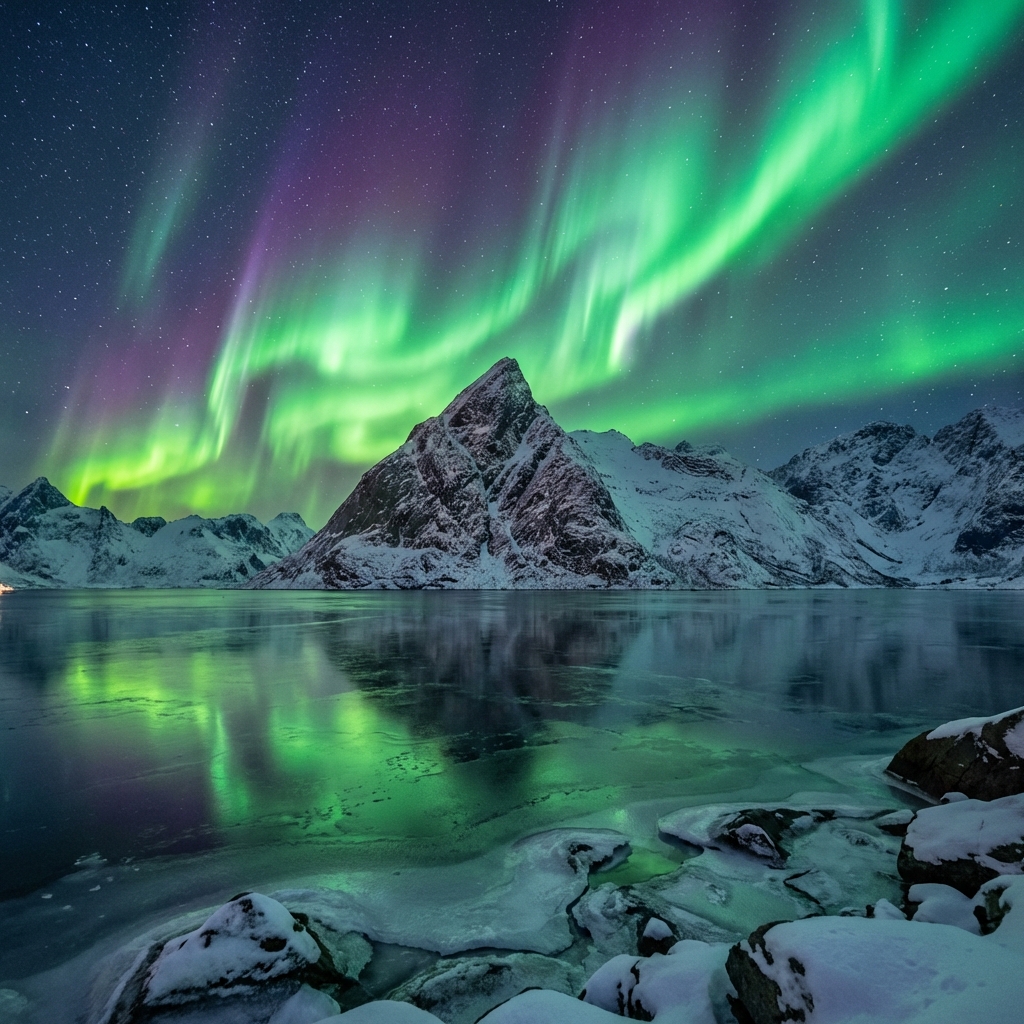
Best Places to See the Northern Lights: 2026 Guide
Discover the top global destinations for viewing the Aurora Borealis in 2026. From Norway to Alaska, find the best dark sky spots and essential gear.
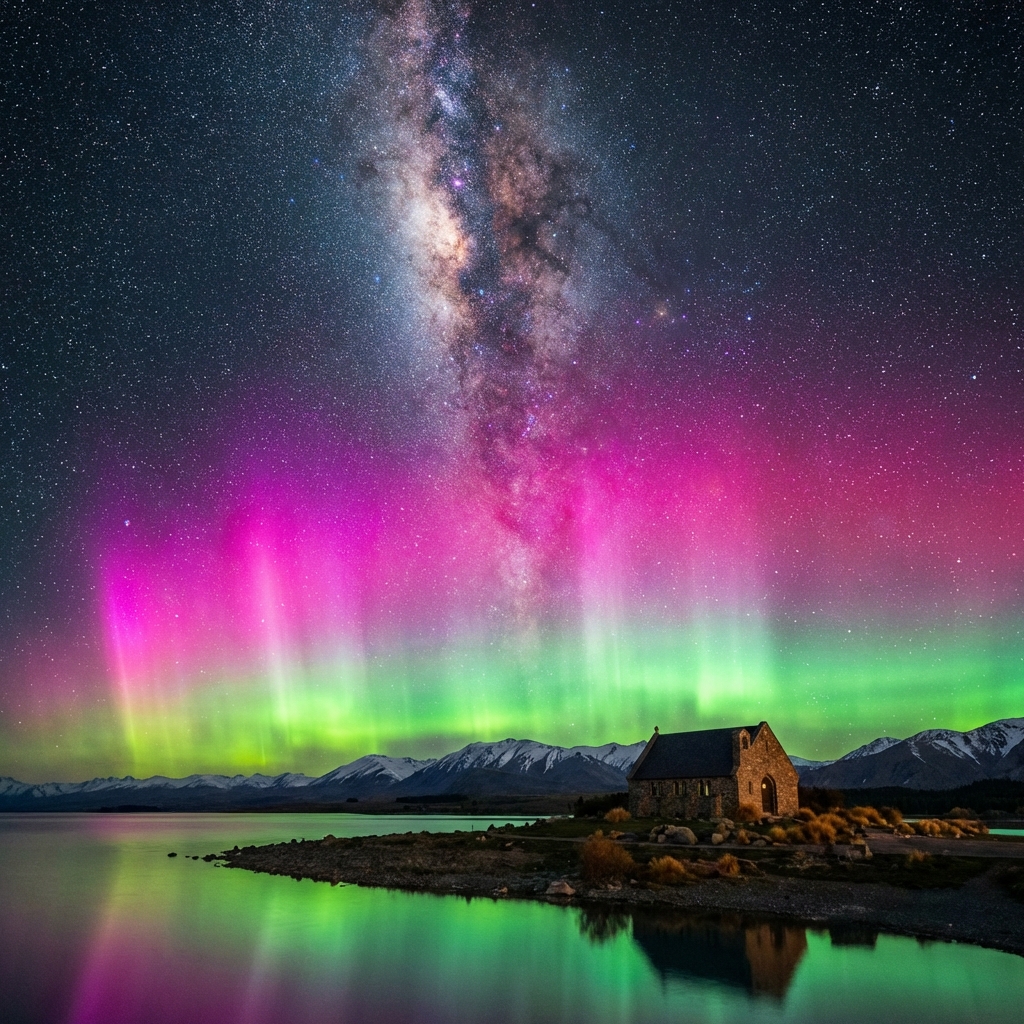
Best Places to See the Southern Lights (Aurora Australis)
Explore the best Southern Hemisphere locations for aurora hunting. Learn where to see the Southern Lights in New Zealand, Tasmania, and more.
End of Dossier • Research Complete