The Best Telescopes for Beginners in 2026
Ready to go beyond binoculars? Choosing your first telescope can feel overwhelming—there are dozens of options and a lot of confusing jargon. I've helped hundreds of beginners pick their first scope, and this guide distills everything into a simple decision: what do you want to see, and what's your budget?
DH Research Lab
Data & Editorial Board
Expert Tested Gear & Affiliate Disclosure
This guide contains affiliate links. As an Amazon Associate, we earn from qualifying purchases.
01The Three Types of Telescopes
Before we talk specific models, you need to understand the three main types:
Refractor — Uses lenses. Simple to use, low maintenance, great for planets and the Moon. Typically more expensive per inch of aperture.
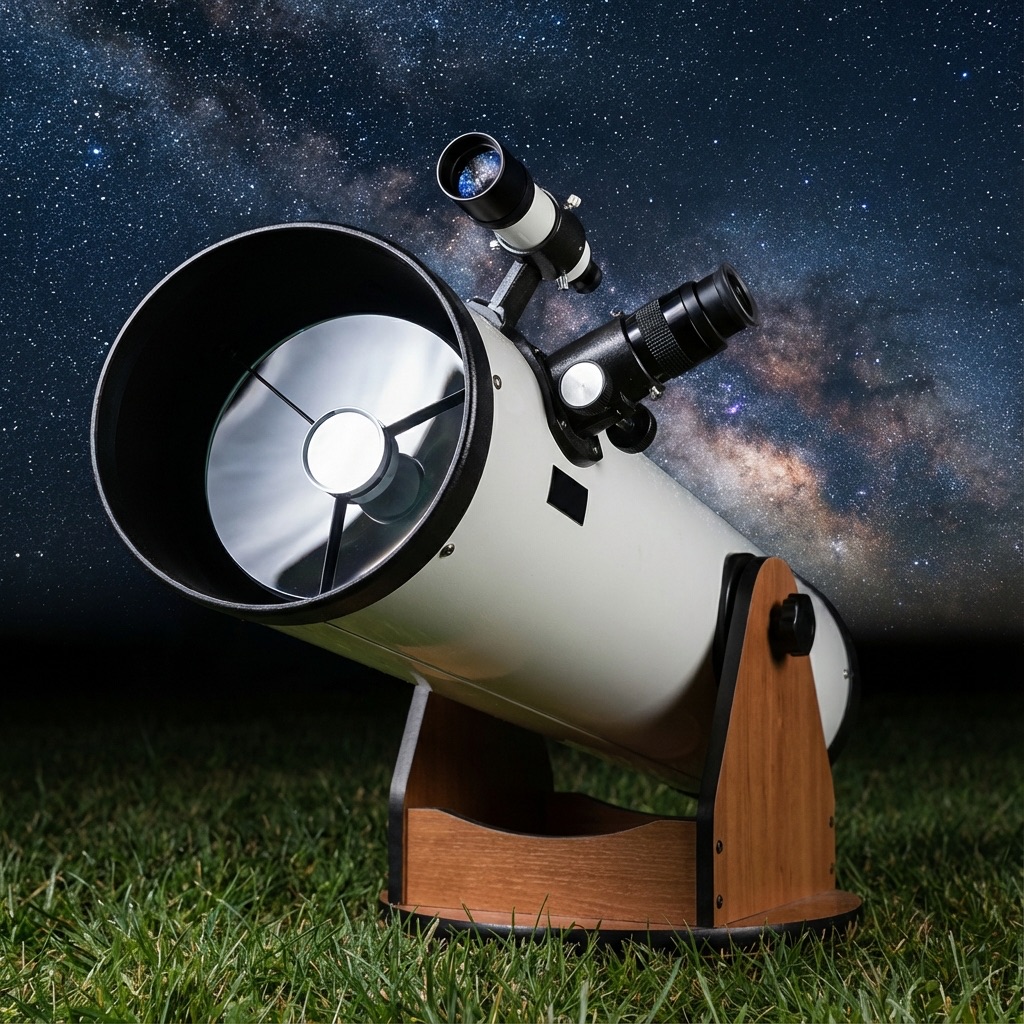
Reflector (Dobsonian) — Uses mirrors. Best value for aperture. Excellent for deep sky objects. Requires occasional collimation (alignment of mirrors).
Compound (SCT/Maksutov) — Combines lenses and mirrors. Compact and portable. Good all-around, but more expensive.
My recommendation for beginners: A 6" or 8" Dobsonian reflector. Maximum aperture for the money, simple to use, and you'll never outgrow it.
Aperture is King
02Best Beginner Telescopes by Budget
Here are my top picks at each price point. I've personally used or tested every single one of these.
Apertura AD8 Dobsonian
“8 inches of light-gathering power at an unbeatable price.”
RATIONALE
Outstanding optics, smooth motion, and the accessories (laser collimator, eyepieces) are included. This is the telescope I recommend to 90% of beginners.
Dobsonian Reflector
- Massive light-gathering aperture
- Rock-solid stable base
- Simplest to aim (point & shoot)
- Best for Deep Sky objects
UNIT COST (EST)
$499Portable Refractor
- Compact and lightweight
- Zero maintenance required
- Better for high-power Moon views
- Fits in a small travel backpack
UNIT COST (EST)
$29903What You'll Actually See
Let me set realistic expectations. You will NOT see Hubble-quality color images through the eyepiece. That's astrophotography, not visual observing. Through a good scope, most nebulae and galaxies appear as faint gray smudges. Managing expectations is key to enjoying visual astronomy.
The Moon
Incredible detail. Individual craters, mountain ranges, the shadows at the terminator. Worth the telescope alone.
Planets
Jupiter's cloud bands and Great Red Spot. Saturn's rings. Mars's polar ice caps during opposition.
Deep Sky
The Orion Nebula as a glowing cloud. Andromeda as a fuzzy patch. Dozens of star clusters.
Frequently Asked Questions
Q:What is the best telescope for a beginner?
A 6-inch or 8-inch Dobsonian reflector is the best beginner telescope. It offers maximum light-gathering aperture for the money, is simple to use (just point and look), and provides views of planets, the Moon, and deep sky objects that you'll never outgrow.
Q:How much should I spend on my first telescope?
A quality beginner telescope costs $300-$500. Avoid cheap department store telescopes under $100—they have poor optics and frustrating mounts. An 8-inch Dobsonian at $499 will outperform telescopes costing twice as much.
Q:What is the difference between refractor and reflector telescopes?
Refractors use lenses and are low-maintenance, compact, and great for planetary viewing. Reflectors use mirrors, offering more aperture per dollar and better for deep sky objects, but require occasional mirror alignment (collimation).
Q:What can I actually see through a beginner telescope?
Through a good 6-8 inch telescope you can see: craters and mountains on the Moon, Jupiter's cloud bands and four moons, Saturn's rings, Mars polar ice caps, the Orion Nebula as a glowing cloud, and dozens of star clusters. You will NOT see Hubble-like color photos—that requires astrophotography.
Q:What is aperture and why does it matter?
Aperture is the diameter of the telescope's main lens or mirror. It's the most important specification because larger aperture gathers more light, revealing fainter objects and more detail. A 6-inch telescope gathers 2.25x more light than a 4-inch.
Don't Forget Your Gear
Get our Dark Sky Preparation Checklist and never arrive at a remote site missing a critical piece of equipment again.
Join 2,400+ astronomers • No spam, strictly dark sky intel
Level Up Your Astronomy Skills
Get our premium PDF guides with hundreds of pages of expert advice, gear recommendations, and step-by-step tutorials.
Browse All GuidesFind Your Darkest Sky
Use our real-time satellite maps to find locations with zero light pollution.
Launch Interactive MapYour Learning Roadmap
You've mastered the beginner basics. The next logical step in your technical progression is mastering intermediate acquisition.
MANDATORY FIELD EQUIPMENT
Celestron NexStar 8SE
The gold standard for deep-sky observation. 203mm aperture for maximum light gathering.
ZWO Seestar S50
Fully robotic imaging system. Perfect for urban environments and rapid deployment.
Peak Design Travel Tripod
Zero-latency stability for long exposure astrophotography. Carbon fiber construction.
Continue Your Research
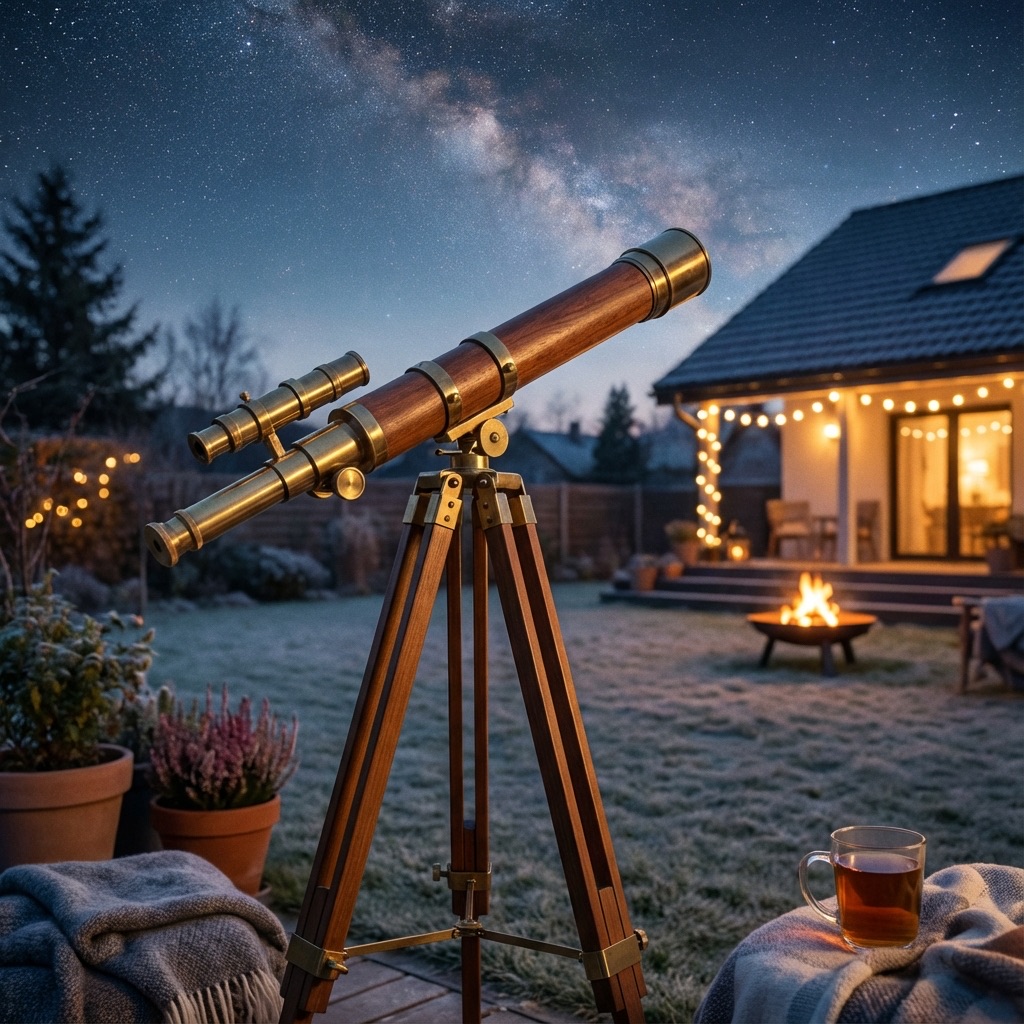
Best Beginner Astronomy Gear: Your First Telescope Setup
A complete guide to your first telescope setup: expert recommendations for Dobsonians, essential eyepieces, and navigation aids for beginners.
Stargazing with Kids: A Family Guide to the Night Sky
Create magical family memories with our guide to stargazing with kids. Includes age-appropriate activities, gear recommendations, and safety tips.
Your First Night Stargazing: Complete 2026 Guide
Everything you need for your first night under the stars. Learn to find dark sky locations, navigate constellations, and master stargazing with zero gear.
End of Dossier • Research Complete