London Stargazing: The Best Dark Sky Escapes
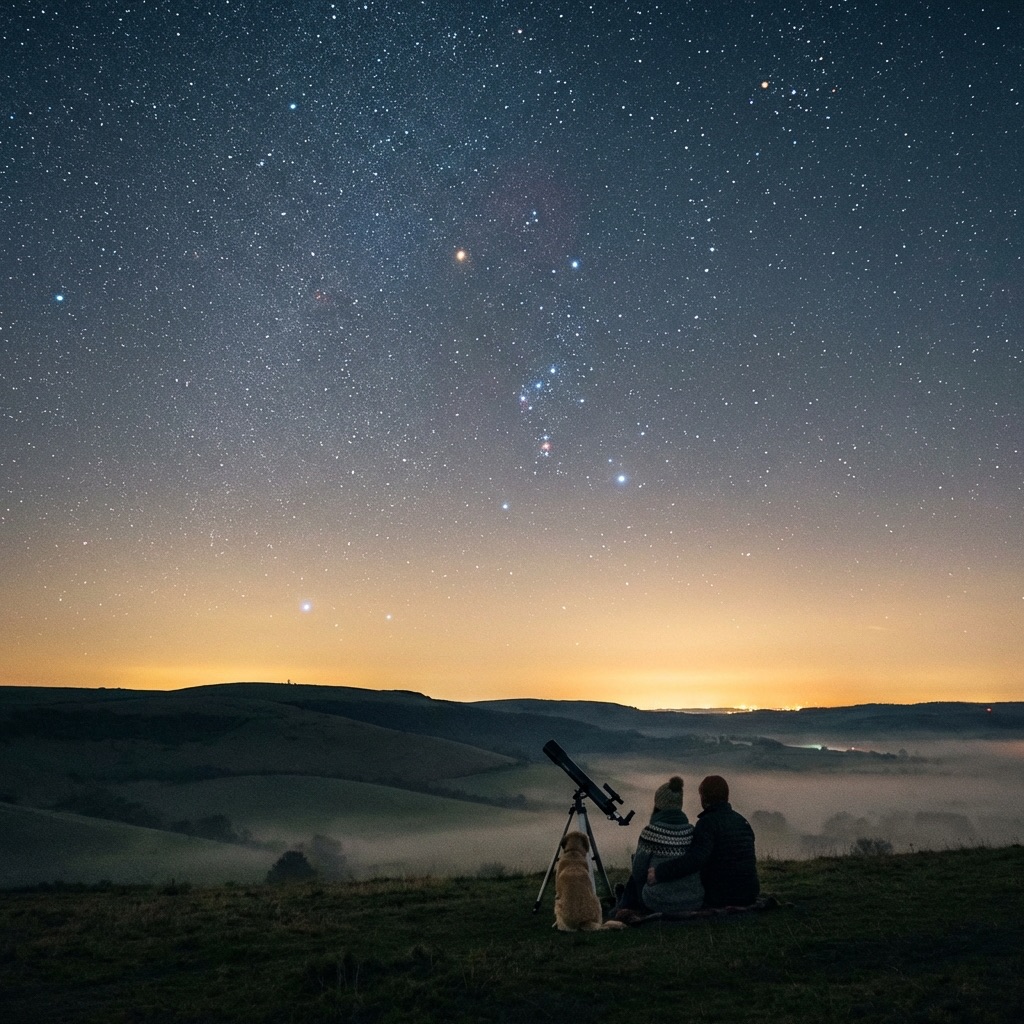
Stargazing around London requires a bit of planning. To see the Milky Way or faint meteor showers, you have to escape the city's luminous footprint. We've compiled the ultimate list of dark sky escapes in the area.
DH Research Lab
Data & Editorial Board
Expert Tested Gear & Affiliate Disclosure
This guide contains affiliate links. As an Amazon Associate, we earn from qualifying purchases.
01Understanding Local Light Pollution
Before heading out from London, always check the Bortle scale of your destination. The transition from the inner city (Bortle 8/9) to these locations represents a massive leap in visibility.
02Navigating the English Night
Britain's weather is famously unpredictable, but its commitment to dark sky preservation is world-class. Here is what you need to know:
Dark Sky Reserves: The UK has a high density of International Dark Sky Reserves. These areas have strict lighting controls and guaranteed dark skies. Light Pollution Strategy: Heading west or south toward the coast generally offers the best horizons away from London's massive light dome. Seasonal Viewing: Winter offers the longest nights and crispest air, while late summer is perfect for Milky Way photography and the Perseid meteor shower.
Bortle Scale
031. South Downs National Park
Distance from London: 1.5 - 2 hours | Bortle Class: 4 | Best For: Closest certified Dark Sky Reserve
The South Downs became an International Dark Sky Reserve in 2016. It's the most accessible truly dark sky for Londoners, stretching from Winchester to Eastbourne.
Top Viewing Spots:
- Birling Gap — Dramatic cliff-side views of the English Channel
- Old Winchester Hill — Iron Age hillfort with 360-degree views
- Butser Hill — Highest point on the chalk ridge with excellent horizons
Celestron 71008 SkyMaster 25x70 Binoculars
“Large aperture binoculars for deep sky observing.”
RATIONALE
Ideal for scanned the star fields of the South Downs without the bulk of a full telescope.
042. Exmoor National Park
Distance from London: 3.5 hours | Bortle Class: 2 | Best For: Europe's first Dark Sky Reserve, extreme darkness
Exmoor was designated Europe's first International Dark Sky Reserve in 2011. It's further than the South Downs, but the quality of the sky is significantly better.
Why It's World Class:
- Extremely low population density
- Dark horizons over the Bristol Channel
- Dedicated stargazing hubs in villages like Dulverton and Exford
Pristine
Some of the lowest light pollution levels in all of England.
Milky Way
Clearly visible to the naked eye with immense detail in summer.
Facilities
The park provides stargazing guides and map kits at National Park Centres.
053. North York Moors (Dark Sky Reserve)
Distance from London: 4 hours | Bortle Class: 3 | Best For: Large horizons, dark coastal cliffs
While a longer drive, the North York Moors offer a unique combination of heather moorland and rugged coast. It's a massive area with some of the best 'big sky' feelings in the country.
Top Locations:
- Dalby Forest — Home to an active astronomical society and observatory
- Danby — Minimal light pollution and excellent public accessibility
- Sutton Bank — Iconic views 'The Finest View in England' under the stars
Red LED Headlamp
“Preserve your night vision while navigating.”
RATIONALE
Navigating the moors at night requires hands-free light; red mode is mandatory for stargazing groups.
064. Cranborne Chase (AONB)
Distance from London: 2 hours | Bortle Class: 3-4 | Best For: Dark sky status in the heart of Southern England
Cranborne Chase was the first Area of Outstanding Natural Beauty (AONB) in the country to be designated an International Dark Sky Reserve.
Highlights:
- Win Green (highest point)
- Cley Hill
- Dinton Park
Strategy: Aim for the central parts of the Chase away from Salisbury and Shaftesbury for the deepest blacks.
Ancient Skies
075. Romney Marsh (Kent)
Distance from London: 1.5 hours | Bortle Class: 4 | Best For: Coastal darkness, unique flat landscapes
The remote 'fifth continent' of Romney Marsh offers surprisingly dark skies for being in the densely populated Southeast.
Where to go:
- Dungeness — A desert-like shingle headland with zero street lighting
- Fairlight Glen — Just over the border in Sussex with ocean views
Industrial Chic
The Dungeness power station and lighthouses make for unique astro-backdrops.
Quick Visit
Easily reachable from Southeast London via the M20.
Winter Winds
Biting sea winds mean you need high-quality windproof layers.
086. The Cotswolds (Hidden Pockets)
Distance from London: 2 hours | Bortle Class: 4-5 | Best For: Luxury stays with decent stargazing
The Cotswolds are generally bright, but several key spots offer darkness that's rare for such a popular region.
Darker Spots:
- Cleeve Hill — The highest point in the Cotswolds
- Rollright Stones — Ancient stone circle with very low light pollution
Stay22 - Cotswolds Accommodations
“Find dark-sky friendly cottages and stays.”
RATIONALE
The Cotswolds are perfect for a weekend retreat. Use the map to find stays away from town centers.
Frequently Asked Questions
Q:Can you actually see the Milky Way from London?
No, you cannot see the Milky Way from within the M25 due to extreme light pollution (Bortle 9). However, from the South Downs National Park or Romney Marsh (both within 1.5-2 hours of London), the Milky Way is clearly visible to the naked eye on moonless summer nights.
Q:Where is the darkest place near London?
Exmoor National Park is the darkest place accessible within a reasonable drive (3.5 hours) from London, boasting Bortle 2 skies. For a shorter trip, the central areas of the South Downs National Park and Cranborne Chase offer excellent Bortle 4 darkness.
Q:What is the best time of year for stargazing in the UK?
Astronomical winter (September to March) offers the longest periods of true darkness. However, the summer months (July-August) provide the best views of the Milky Way core, even though the nights are shorter.
Q:Do I need a telescope for stargazing in the South Downs?
A telescope is helpful but not mandatory. A pair of 10x50 binoculars is often better for beginners exploring the South Downs, as they provide a wider field of view for navigating large constellations and spotting deep-sky objects like the Andromeda Galaxy.
Don't Forget Your Gear
Get our Dark Sky Preparation Checklist and never arrive at a remote site missing a critical piece of equipment again.
Join 2,400+ astronomers • No spam, strictly dark sky intel
Level Up Your Astronomy Skills
Get our premium PDF guides with hundreds of pages of expert advice, gear recommendations, and step-by-step tutorials.
Browse All GuidesFind Your Darkest Sky
Use our real-time satellite maps to find locations with zero light pollution.
Launch Interactive MapPlan Your Deployment
Ready to experience these dark skies yourself? Use our interactive map to find the best dark-sky certified hotels, desert cabins, and observatories near this location.
Booking through this map supports Darkest Hour's light pollution research.
Your Learning Roadmap
You've mastered the travel basics. The next logical step in your technical progression is mastering astrophotography workflows.
MANDATORY FIELD EQUIPMENT
Celestron NexStar 8SE
The gold standard for deep-sky observation. 203mm aperture for maximum light gathering.
ZWO Seestar S50
Fully robotic imaging system. Perfect for urban environments and rapid deployment.
Peak Design Travel Tripod
Zero-latency stability for long exposure astrophotography. Carbon fiber construction.
Continue Your Research
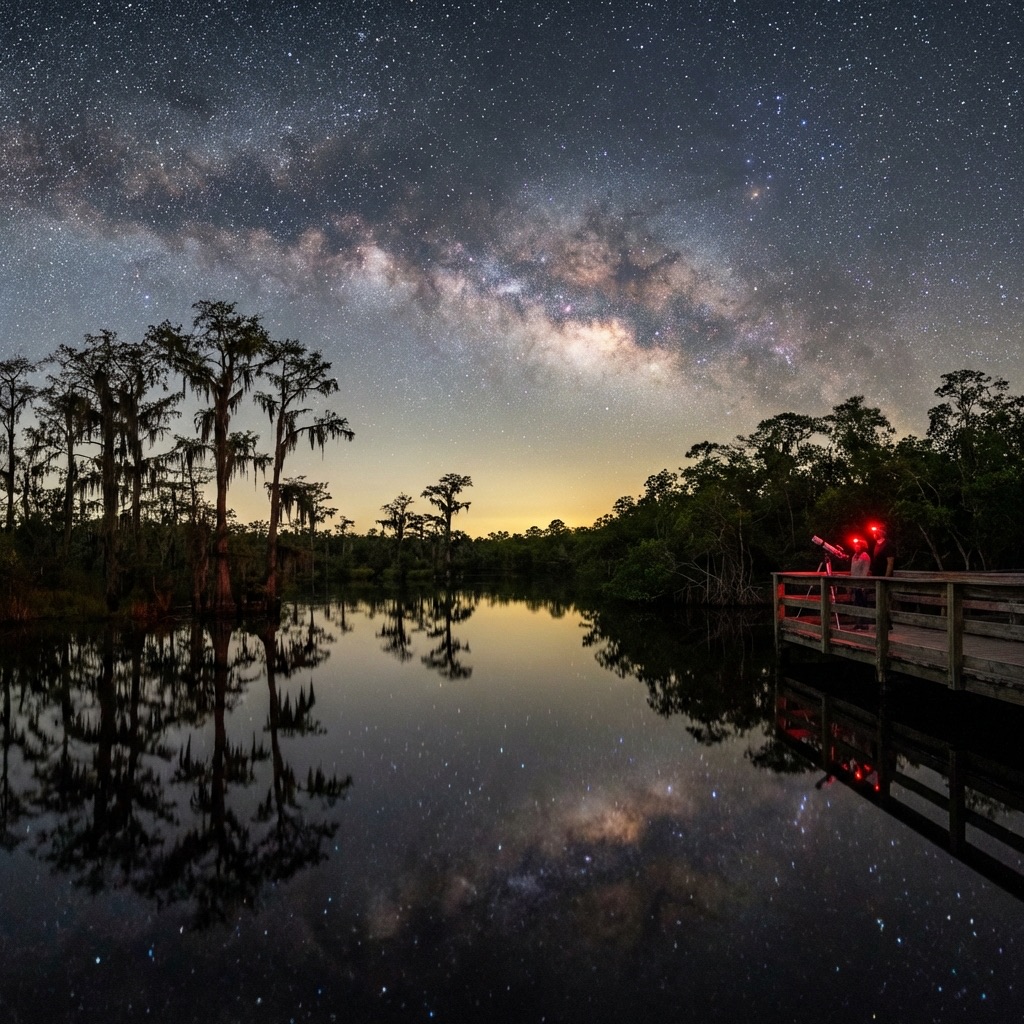
Best Stargazing Near Miami: 6 South Florida Dark Sky Escapes
Escape the neon! 6 dark sky spots near Miami—Everglades, Big Cypress, and the Florida Keys. Your guide to South Florida stars.
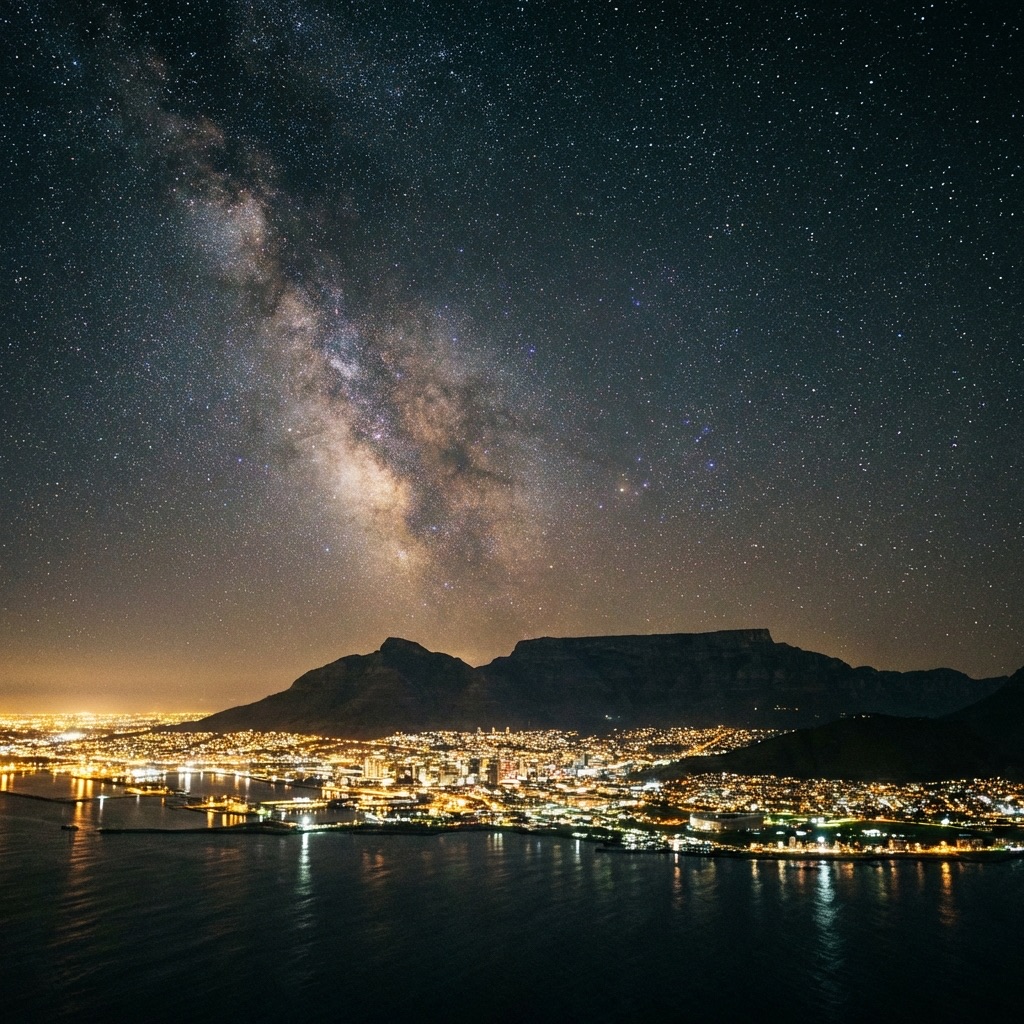
Stargazing Near Cape Town: 6 South Africa Escapes
Southern African stars! 6 incredible dark sky spots near Cape Town—Sutherland, Cederberg, and the Karoo. Your guide to South Africa's best stars.
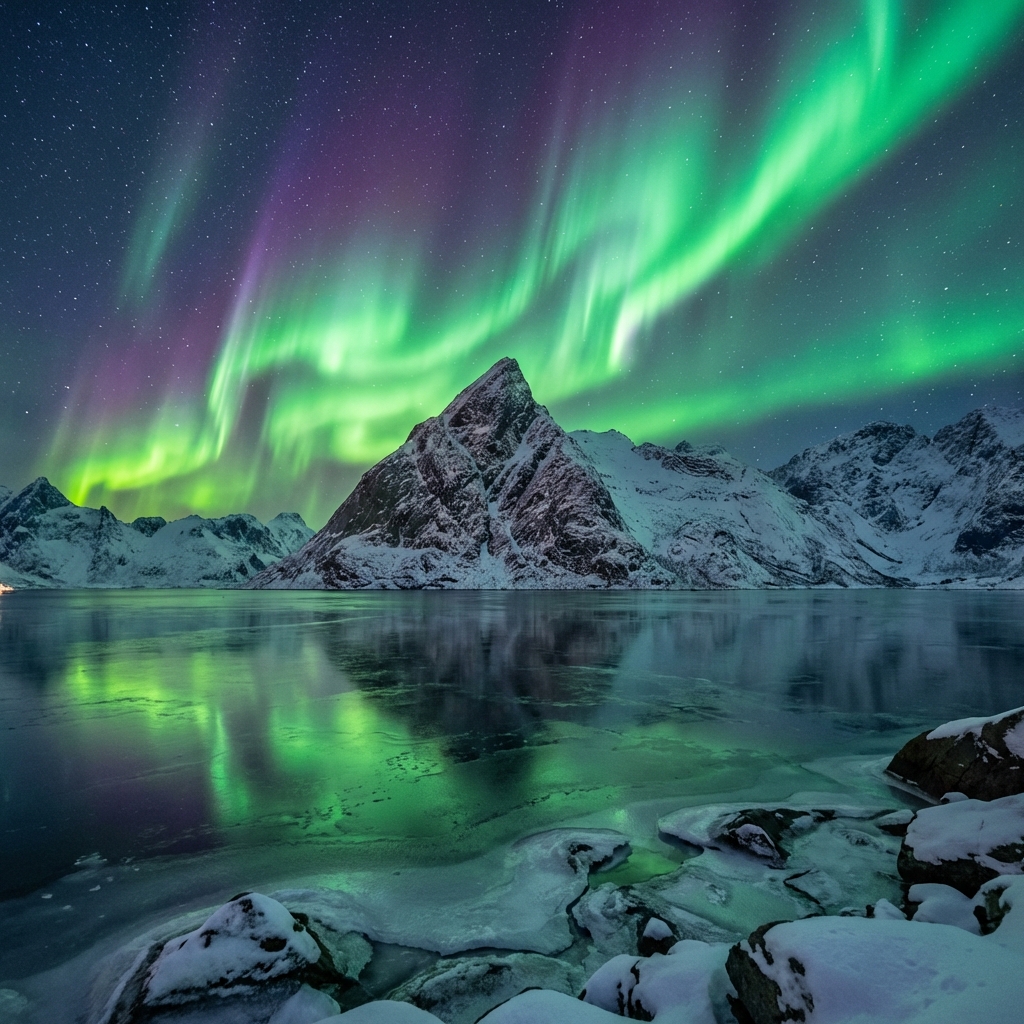
Best Places to See the Northern Lights: 2026 Guide
Discover the top global destinations for viewing the Aurora Borealis in 2026. From Norway to Alaska, find the best dark sky spots and essential gear.
End of Dossier • Research Complete